
Turn Free Hidden Book Libraries Into Profit: 5 Smart Ways to Sell Digital Products in 2026
Discover how to leverage massive free book libraries to create and sell digital products — ethically, legally, and profitably. No inventory. No upfront costs. Just smart repurposing.
Most people scroll past free resources without realizing their profit potential.
But smart creators see something different: raw material for digital products.
In this guide, I’ll show you two incredible websites offering over 40 million free books — and exactly how to transform that content into sellable digital products like summaries, guides, templates, and podcasts.
No copyright violations. No sketchy tactics. Just smart value-addition that saves people time and makes you money.

Let’s dive in.
The Two Goldmine Websites You Need to Know
1. WeLib (Libbox) – 40+ Million Free Books
Website: WeLib.st
WeLib is a massive digital library offering:
- Over 40 million books across every niche imaginable
- Recent releases and bestsellers (not just old classics)
- Academic papers and research materials
- Multiple formats: PDF, EPUB, MOBI, and audiobooks
- Advanced filters: language, file type, publication year, genre
What you can do:
- Search by title, author, ISBN, or publication date
- Browse trending books like “People We Met on Vacation,” “Atomic Habits,” or “Thinking, Fast and Slow”
- Download complete books or listen to audiobooks for free
- Filter by fiction, non-fiction, comics, magazines, and more
Real example: Search for “2024” and instantly access thousands of recent publications. Filter by “PDF” format and “English” language to find exactly what you need.

2. Opoco – Instant Free E-Book Downloads
Website: obooko.org (or search “opoco” on Google)
Opoco offers:
- Millions of free e-books in PDF and other formats
- No registration required
- Instant download or online reading
- Categories: non-fiction, fiction, romance, business, self-help, and more
How it works:
- Search for any book title
- Choose your format (PDF, Word, or read online)
- Download instantly — no hoops to jump through
Why this matters: These platforms give you access to premium content that people want to learn from — but don’t have time to read cover-to-cover.
That’s where you come in.
5 Proven Ways to Monetize Free Book Content
You’re not reselling the books. You’re adding value by transforming dense information into accessible, actionable products.
Here’s how:
Method 1: Create Actionable Guides & Summaries
The Opportunity: People want knowledge fast. A 300-page book might take 8–10 hours to read. Your 10-page summary takes 30 minutes.
What to create:
- Executive summaries (2–5 pages)
- “Top 20 Insights” guides
- Cheat sheets with key takeaways
- Visual mind maps
- Infographics breaking down complex concepts
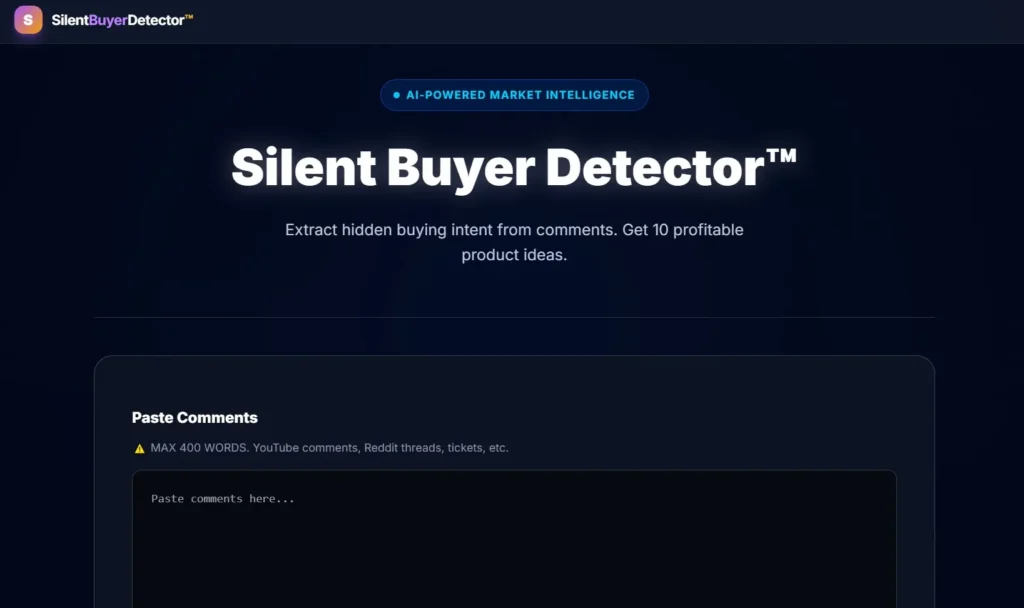
Tools to use:
| Tool | Purpose | Link |
|---|---|---|
| Summarist.ai | Generate book summaries automatically | Summarist.ai |
| NotebookLM | Convert content to podcasts, infographics, mind maps | NotebookLM |
| Canva | Design beautiful infographics and cheat sheets | Canva |
| Google Gemini (Canvas) | Transform book content into structured guides | Gemini |
Real example: Take “Atomic Habits” by James Clear. Instead of selling the book (which is copyrighted), create:
- “Atomic Habits Implementation Checklist” ($7)
- “30-Day Habit Tracker Based on Atomic Habits” ($9)
- “Visual Mind Map of the 4 Laws of Behavior Change” ($5)
Pricing: $5–$27 per guide, depending on depth and design quality.
Method 2: Add a Language or Accessibility Layer
The Opportunity: Most books are in English. But billions of people prefer content in their native language.
What to create:
- Translated summaries (e.g., “Top 10 Business Books Explained in Spanish”)
- Key insights in Hindi, Arabic, Portuguese, French, etc.
- Audio versions in multiple languages
- Simplified versions for different reading levels
Tools to use:
| Tool | Purpose | Link |
|---|---|---|
| 11Labs | AI voice generation in 28+ languages | 11Labs.io |
| Google Cloud Text-to-Speech | Convert text to natural-sounding audio | Google Cloud TTS |
| Audacity | Record and edit your own voiceovers (free) | AudacityTeam.org |
| DeepL | High-quality AI translation | DeepL.com |
Real example: Create “Financial Freedom: 5 Books Summarized in Arabic” and sell it to Arabic-speaking audiences who struggle to find quality business content in their language.
Market potential: Non-English digital product markets are underserved and growing fast.
Method 3: Build Themed Social Media Content Series
The Opportunity: Use book insights to build an audience, then monetize through digital products.
Content formats:
- “One Idea from One Book Daily” (TikTok, Instagram Reels, YouTube Shorts)
- “100 Business Books in 100 Days” series
- Email newsletter: “Weekly Book Breakdown”
- LinkedIn posts: “Leadership Lessons from 50 Books”
Monetization path:
- Post free value (book insights, quotes, summaries)
- Build engaged audience (1,000–10,000 followers)
- Offer paid products (guides, templates, courses)
- Drive traffic to your store or Gumroad page
Real example: A TikTok creator posts daily 60-second videos summarizing one concept from popular self-help books. After 3 months (50K followers), they launch a “$27 Book Summary Bundle” with 20 downloadable guides. Result: 150 sales in week one = $4,050.
Tools: CapCut for video editing, Canva for thumbnails, Beehiiv or ConvertKit for email newsletters.
Method 4: Build Usable Tools & Systems
The Opportunity: People don’t just want information — they want implementation systems.
What to create:
| Book Type | Tool Idea | Format |
|---|---|---|
| Psychology/Habits | Habit tracker, behavior change system | Notion template, Google Sheets |
| Finance/Budgeting | Budget calculator, investment tracker | Spreadsheet, AI-powered tool |
| Productivity | Task manager, time-blocking system | Notion template, Trello board |
| Business/Marketing | Content calendar, sales funnel planner | Notion, Airtable base |
Tools to use:
| Tool | Purpose | Link |
|---|---|---|
| Notion | Build templates, trackers, databases | Notion.so |
| Google Sheets + GeniusAI | Create AI-powered spreadsheets | GeniusAI |
| Airtable | Build custom databases and tools | Airtable.com |
| Softr + Airtable | Turn spreadsheets into web apps | Softr.io |
Real example: Extract the budgeting framework from “I Will Teach You to Be Rich” by Ramit Sethi. Create a “Smart Budget Spreadsheet” with automated categories, savings calculators, and investment trackers. Sell for $19–$29.
Advanced move: Build a simple AI SaaS tool that automates book insights. (I covered this in a previous guide — check the resources section below.)
Method 5: Create Podcast Episodes or Audio Content
The Opportunity: Audio consumption is exploding. People listen during commutes, workouts, and chores.
What to create:
- “Book Breakdown” podcast series (15–30 min episodes)
- “What I Learned from [Book Title]” audio guides
- Multi-part series diving deep into one book
- “Top 5 Books on [Topic]” compilation episodes
Format options:
- Your own voice (authentic, builds connection)
- AI voiceover (scalable, consistent quality)
- Interview-style discussions with guests
Tools to use:
| Tool | Purpose | Link |
|---|---|---|
| 11Labs | Premium AI voice generation | 11Labs.io |
| Audacity | Free audio recording and editing | AudacityTeam.org |
| Spotify for Podcasters | Free podcast hosting and distribution | Spotify for Podcasters |
| Buzzsprout | Professional podcast hosting | Buzzsprout.com |
Monetization strategies:
- Sell full audio guides ($7–$15)
- Offer premium episodes via Patreon
- Include affiliate links in show notes
- Promote your digital products (templates, guides)
Real example: Launch “The 10-Minute Book Club” — weekly episodes summarizing one business book. After 20 episodes, bundle them as “20 Business Books in 3 Hours” and sell for $27.
Critical Legal & Ethical Guidelines
⚠️ Important: You cannot simply resell copyrighted books. That’s illegal.
What you CAN do:
✅ Create transformative content (summaries, analysis, commentary)
✅ Add significant value (templates, tools, implementations)
✅ Use books as research sources for original products
✅ Focus on public domain works when possible (Project Gutenberg)
✅ Always cite your sources and give credit
What you CANNOT do:
❌ Redistribute full books or large chapters
❌ Claim someone else’s work as your own
❌ Sell verbatim excerpts without permission
❌ Violate platform terms of service
Best practice: When in doubt, create products that complement books rather than replace them. Your value is in curation, simplification, and implementation — not replication.
Your 7-Day Action Plan
| Day | Task | Outcome |
|---|---|---|
| Day 1 | Choose 3 books in your niche from WeLib or Opoco | Clear focus area |
| Day 2 | Read/skim and extract key insights from Book #1 | Raw content ready |
| Day 3 | Create your first product (summary, cheat sheet, or template) | MVP complete |
| Day 4 | Set up simple sales page (Gumroad, Payhip, or Lemon Squeezy) | Ready to sell |
| Day 5 | Create 3–5 social media posts teasing your product | Audience awareness |
| Day 6 | Launch to your network + 2–3 relevant communities | First sales potential |
| Day 7 | Gather feedback, iterate, plan Book #2 | Momentum building |
Tools & Resources Mentioned
Book Libraries
- WeLib.st – 40+ million free books
- Obook.org – Instant e-book downloads
- Project Gutenberg – Public domain books (safest for commercial use)
Content Creation
- Summarist.ai – AI book summaries
- NotebookLM – Multi-format content converter
- Canva – Design infographics and guides
- Gemini – AI writing assistant
Audio & Podcasting
- elevenLabs.io – AI voice generation
- AudacityTeam.org – Free audio editing
- Spotify for Podcasters – Free hosting
Templates & Tools
- Notion.so – Build templates and trackers
- Airtable.com – Custom databases
- Softr.io – Turn data into web apps
Selling Platforms
- Gumroad – Simple digital product sales
- Payhip – Sell digital downloads
- Lemon Squeezy – Modern checkout for creators
Ready to Systemize Your Digital Product Business?
If you want a proven framework for:
- Validating product ideas before building
- Creating high-converting sales pages
- Driving consistent traffic and sales
- Scaling from $0 to $1,000+/month
I break down my exact system inside Digiplaybook — the same framework I use to launch and Promote digital products without guesswork.
Final Thought: Information Is Free. Transformation Is Valuable.
These book libraries give you access to millions of dollars worth of knowledge — for free.
But knowledge alone doesn’t sell.
Transformation does.
People will pay for:
- Clarity (summaries instead of 300 pages)
- Convenience (templates instead of starting from scratch)
- Accessibility (content in their language or format)
- Implementation (tools that make action easy)
Your job isn’t to hoard information. It’s to package it so people can actually use it.
Start with one book. Create one product. Make one sale.
Then do it again.